
https://www.fmdnqi.com/the-ultimate-dell-laptop-guide-from-inspiron-to-xps/
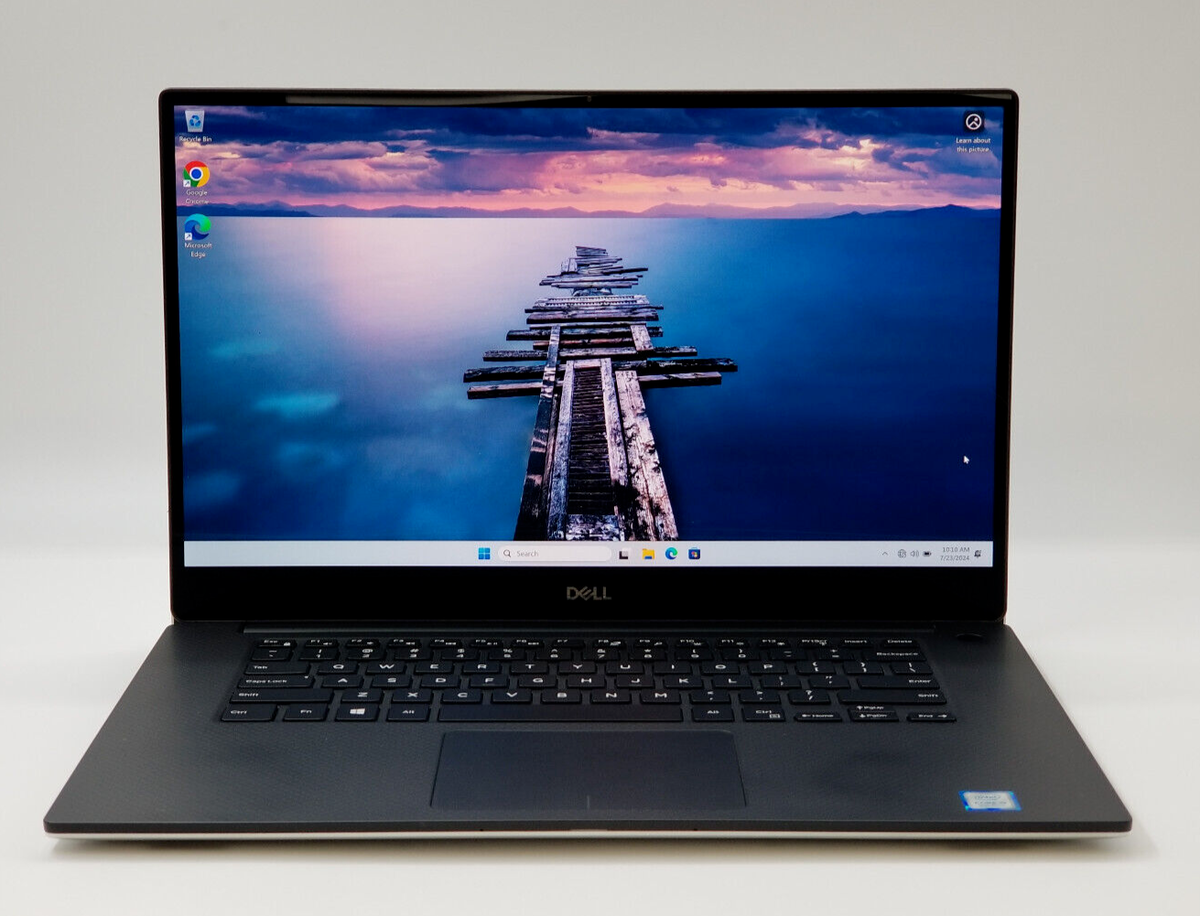
When we put this 2019 flagship creation notebook on the review table, its exquisite aluminum alloy body still exudes a high-end atmosphere. As one of the first Windows notebooks equipped with OLED screens, is the XPS 15 7590 a stunning work or a compromise? After three weeks of rigorous testing, we came to a thought-provoking conclusion.
Display technology: the beauty and challenges of OLED
This Samsung 4K OLED screen brings an unprecedented visual experience:
Color performance : 100% sRGB, 94% AdobeRGB and 100% DCI-P3 color gamut coverage, making it better than many similar products in color performance.
Contrast and brightness : Up to 100,000:1 contrast ratio and 400 nits brightness ensure vivid images in all lighting conditions.
However, the following points should be noted during use:
Color banding : Color banding may occur when displaying a light gray background.
Prolonged use : Looking at a white background for a long time may cause visual fatigue.
Brightness uniformity : Some users reported that the screen brightness was uneven.
This OLED screen brings movies to life, but it’s a bit lacking in office applications, especially when used for long periods of time.

Performance: Balance between GTX 1650 and thermal design
The i7-9750H processor and GTX 1650 graphics card combination should have been a great success, but the initial BIOS had throttling issues:
GPU frequency reduction : Under high load, when the GPU temperature reaches 75℃, the frequency will drop to 300MHz.
CPU performance fluctuations : In the Cinebench test, CPU performance fluctuations can reach 15%.
Dell subsequently released BIOS update 1.2.3 which fixed these issues:
GPU frequency increase : Increase the GPU frequency reduction point to 1125MHz, improving performance.
Performance improvement : Game frame rate stability is improved by 40% and video rendering time is shortened by 22%.
The updated XPS 15 7590 shows significant performance improvements, especially under high load conditions, where it performs more stably.
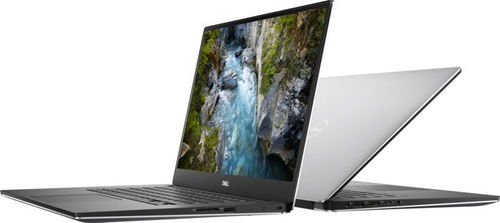
Design details: familiar layout, new experience
Camera position : The camera is repositioned above the screen to improve the video call experience.
Fingerprint recognition power button : The power button integrates fingerprint recognition function, which enables fast unlocking.
Keyboard feel : The key travel is 1.3mm, and the feel is soft, which requires some adaptation.
Touchpad : The touchpad has a large area, but there may be problems with accidental touches.
Battery life and expansion: trade-offs
Battery life : The OLED version has a battery life of about 6.5 hours in daily use such as web browsing, which is lower than the 8 hours of the IPS screen version.
Storage scalability : Equipped with only a single NVMe slot, which limits storage expansion capabilities.
Battery capacity : The 97Wh battery takes up most of the internal space, affecting the layout of other components.
Buying advice: suitable and unsuitable people
Suitable for the crowd :
Visual creators (photographers, video editors)
Audio and video enthusiasts who pursue high-quality screens
Mobile office users who need certain GPU performance
Not suitable for people :
Business users who mainly use word processing
Players who pursue the ultimate gaming experience
Users who need to use the device outdoors for a long time
Final rating: 4/5
To sum up, the Dell XPS 15 7590 has made significant improvements in design and performance, especially in terms of display effects and processing power. However, storage expandability and battery life performance may not meet the needs of all users. It is recommended to weigh your needs before purchasing.
https://www.fmdnqi.com/the-ultimate-dell-laptop-guide-from-inspiron-to-xps/